Water-damaged drywall
Board gone soft, swollen or spotted after a roof, pipe or appliance leak, opened up to firm gypsum and rebuilt.
Rebuilding board after a leak(870) 876-2157Call 7 days, 7am–9pm
Sharp & Fulton counties · the Ozarks
The crack that crept out from the hallway door frame, the brown ring that turned up over the bed after a hard rain, the hole a doorknob left behind: each one gets repaired, texture-matched and left smooth enough to paint.
Homes across Sharp and Fulton counties. The price is on the table before anything is booked.
One call starts the quote, and the figure is agreed between you and a Sharp County drywall pro ahead of any scheduling.
Call 7 days, 7am–9pm
What did the wall go through?
The drywall pro covering the lake towns phones you about this note and prices it from there.
Most walls give a warning before they give trouble. A joint begins ghosting through the paint in a hallway, or a faint tea-colored ring appears on the ceiling one morning and has spread a little by the weekend. Those four kinds of damage are what this business sorts out: the drywall repair a home in Cherokee Village tends to need sooner or later.
Board gone soft, swollen or spotted after a roof, pipe or appliance leak, opened up to firm gypsum and rebuilt.
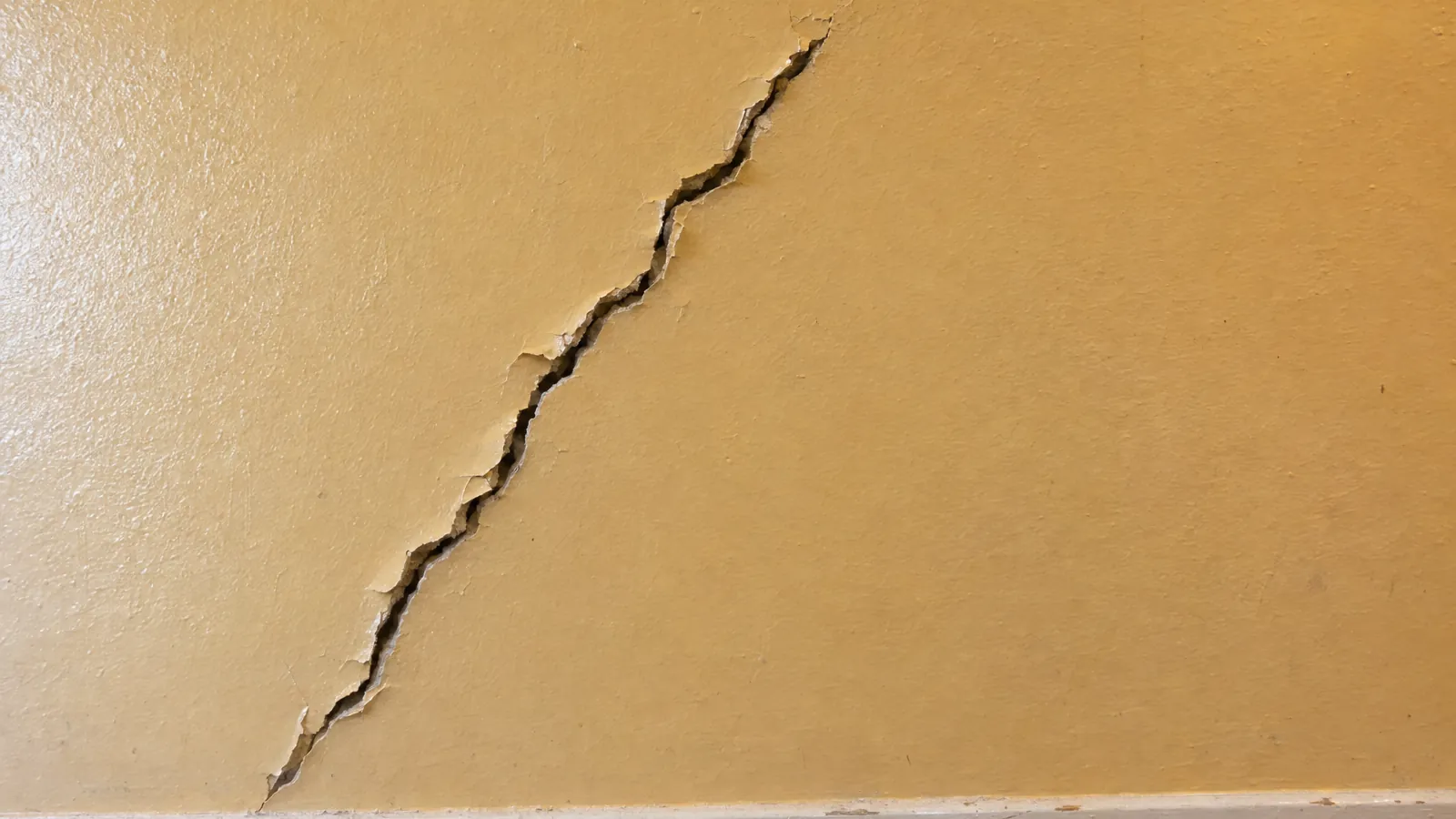
Rebuilding board after a leakSlanting runs off door frames, split joints and gaps along the ceiling line, re-taped and blended in.
Settling crack repairTea-colored rings locked down under shellac or oil primer, then textured to blend into the rest of the ceiling.
Sealing and matching a stained ceilingDoorknob strikes, old TV-mount anchors and openings cut by other trades, closed up, textured and primed.
Patching holes in walls and ceilingsHow a call turns into a quote and a finished wall is set out on the page about how these repairs are arranged.
Picture coming back to a house by the lake after a few weeks away and hearing the hallway carpet squelch underfoot. The city itself notes that Cherokee Village has become popular with vacation home owners, and Census estimates put 439 homes here in the seasonal or occasional-use column, so a leak that ran for days unnoticed is a familiar shape of problem. Before anything gets dried, cut or hauled to the curb, ten quiet minutes of pictures leave the insurance company, or the owner if you rent, a clear record to work from.
Stand in the doorway and photograph the whole room, then each wall that got wet, so the reach of the water is plain. Shoot the ceiling too, however ordinary it looks right now; water likes to surface overhead a day or so later.
Get the stain, the swollen foot of the board, the lifted tape and the soaked flooring up close, a yardstick or ruler set beside each mark so its size reads in the picture. If the culprit is visible, a burst toilet line or a drip coming through from the attic, photograph that as well.
Jot down the date you found it, when it probably began, and what you did about it: which valve got shut, which breaker got flipped. Hang on to damaged pieces and any receipts. Whether a policy pays for any of it is for you and the insurance company to settle; good notes just make that talk shorter.
Own a rental? The drywall guides for landlords and owners cover move-out damage between tenants.
A careful patch is far harder to spot. Compound is spread thin and wide, the texture is rebuilt to match, and the whole spot gets primer so it drinks paint at the same rate as the wall around it. Rolling the wall from corner to corner, not just dabbing the repair, keeps the sheen even.
It does. One hole behind a door is a perfectly reasonable request, and when the same house has a few dings or popped nails elsewhere, putting them all on one quote usually works out better.
Orange peel, knockdown, sand swirl and popcorn can all be rebuilt. Matching usually means trying the spray or trowel pattern on a scrap first and adjusting until it blends with what's already up there.
The handwork on a small patch is brief, but mud needs to set up between coats, so a typical patch is spread over two or three days. Leak damage runs longer, since soaked studs must dry out completely ahead of any new drywall.
Sanding does raise a fine powder. Plastic hung over doorways, sheets over furniture and a vacuum running as the work goes are all fair things to request, and many small patches can be finished by wet-sanding with a sponge, which keeps the powder down.
In January 2025 Fixr updated its countrywide price guide, which lists a hole repair at about $60 to $200 and crack repair at about $60 to $330. Those are U.S.-wide numbers; your own quote turns on the size, the height, the texture and how many spots are on the list.
Remember the first time you noticed a nail head pushing a little circle out of the paint? Most wall damage leaves a sign like that, and the sign usually points to its cause.
Framing creeps a fraction as the weather turns over the year, and the corners of openings take the strain first.
How settling cracks are repairedThe joint tape has pulled free of the board, typical where muggy summers and dry winters take turns on it.
Fixing split jointsNail pops. Board of an older vintage was commonly nailed up, and those nails creep out as framing lumber shrinks and swells.
Patching pops and small holesMoisture has reached the paper face, or the tape was never bedded in enough compound.
Checking board for moistureA roof, plumbing or condensation leak wet the ceiling and dried, leaving minerals behind.
What a stained ceiling needsWater weight or fasteners that let go. Treat it as urgent, and see the steps further down this page.
Repairing a soaked ceilingMost garage damage starts on an ordinary afternoon: a car door swung open a little too far, a bicycle leaned on the wall, a stepladder carried round a corner. Those dents patch the same way as anywhere else, though many owners skip the texture in a garage to keep the job smaller.
In an attached garage, the wall and ceiling shared with the house are there to buy time if a fire starts. Codes commonly call for fire-resistant board in those spots, often five-eighths Type X, so a repair there sticks with that same heavier board and keeps every joint fully taped. Ask the pro what the local code calls for.
If your house has a lower level set into a slope, the walls there live closer to damp ground. Board that touches concrete wicks water upward, so a proper repair stops the sheet a finger's width short of the slab and uses moisture-resistant board. If the space is still wet from a leak or a storm, the repair waits until it has dried out and a meter says so.
Cherokee Village straddles two counties, and its neighbors share its roads, its schools and a lot of the same housing. Requests come in from all of them.
Hardy. East-northeast of the village, with the Spring River flowing right through town.
Highland. Next door to the southeast, incorporated in 1998.
Ash Flat. South-southwest, where Sharp County keeps its seat of government.
Evening Shade. Farther south, out in the southwest corner of Sharp County.
Williford. A small town east of the village, also in Sharp County.
Horseshoe Bend. West-southwest, spread across Fulton, Izard and Sharp counties.
Once the electrician has run a new circuit to the kitchen, the wall is often left with a row of neat rectangles where the cable was fished through. A plumber chasing a drip behind the shower leaves a bigger square. Neither trade is expected to close up drywall, and that's where this part of the work comes in.
A loose square of board needs something to bite into. A proper repair adds strips of wood inside the opening as cleats, or opens the cut out to the neighboring studs, so the fresh piece lies flat and can't rock.
The fresh piece is screwed home, taped, and built up with three thin coats of mud, each coat feathered wider than its predecessor. Texture follows, then primer, so paint lies on the patch just as it does on the wall around it.
Square, clean cuts and the cut-out pieces kept are both a help. An access panel may beat a patch over a valve or junction box someone will need to reach again.
It usually starts with a sound: a drip in the hallway at night, then a ring on the ceiling by morning. What happens in the next hour matters more than anything that follows.
With a sagging or dripping ceiling, the breaker panel comes first: kill every circuit feeding a fixture in the soaked stretch overhead. Then shoo everybody out of that room, pets as well, and set a pail and some old towels under the worst of it.
Close the valve on the supply line, or the house main when you can't tell where it's coming from. The city lists Cherokee Village Waterworks as its water utility if the trouble is on their side of the meter.
Fans, a dehumidifier and the air conditioning do most of the work. Soggy attic insulation pins moisture against the board above a ceiling and nearly always gets pulled and replaced.
Nothing gets cut until the damp patch has been traced on the ceiling, meter reading by meter reading, out to dry board. Board that's soft, crumbling, sagging or growing mold is cut out to a clean line past the wet area; firm board that dried flat can often stay.
When the cavity reads dry, the page on rebuilding leak-damaged drywall walks through the repair itself.
A ceiling with a sag or swelling: it is holding water or has lost its fasteners, and it can come down.
A ring that spreads after every storm: the leak is still live, and each rain or each running of the pipe adds to it.
Board that gives under a thumb or smells of mildew: moisture is still in the wall, and mold follows damp board.
Cracks that widen while doors start to stick: that points to movement in the house, worth a foundation or structural opinion before cosmetic work.
A single hairline crack that hasn't changed: it's cosmetic, and waiting does no harm.
Nail pops and small dings: they look untidy but don't get worse in any hurry.
An old, dry stain: once you're sure the source is fixed, it can wait for the next paint job.
The story of the village begins in 1948, when developer John A. Cooper Sr. bought 400 acres beside the Spring River. It opened in June 1955 and grew into a retirement community with seven lakes, two eighteen-hole golf courses and, by Wikipedia's count, more than 300 miles of hard-surface roads.
The houses follow that story. Census estimates put the median home here at 1975, and 1,393 of today's 3,196 homes date from the 1970s alone. Nearly two-thirds were built in the 1960s and 1970s, about nine in ten are single, detached houses, and 154 are mobile homes.
For walls, that age shows up in nails rather than screws, joints that have flexed through half a century of muggy summers, and textured ceilings. Some older popcorn ceilings contain asbestos, which makes a lab test of a sample the first step before one is sanded or scraped.
Ring us, text a snapshot of that ceiling or wall, or write a few lines on the estimate page. Either way you'll know what the repair involves and what it should run before anything is scheduled.
Either route ends the same way: a nearby pro works out the cost with you first, and only then does a date get set.